Personalized Resilience – Navigating Life’s Ups and Downs with Counseling
Personalized resilience, the art of navigating life’s ups and downs with counseling, is a transformative journey that empowers individuals to weather the storms of existence with grace and fortitude. In the intricate tapestry of life, we encounter myriad challenges – from personal setbacks to global crises – that can shake the very foundations of our well-being. Here, counseling emerges as a guiding beacon, offering tailored support to foster resilience unique to each individual’s narrative. It is not a one-size-fits-all approach but rather a nuanced, collaborative process that recognizes the diversity of human experiences. Through the therapeutic alliance, individuals embark on a voyage of self-discovery, exploring the depths of their emotions, thoughts, and behaviors in a safe and non-judgmental space. At the heart of personalized resilience is the recognition that no two individuals face identical challenges. A counselor acts as a skilled navigator, helping clients chart a course through the ebbs and flows of life based on their specific needs, strengths, and goals.

By delving into the intricacies of one’s past, understanding present struggles, and envisioning a desired future, counseling becomes a dynamic tool for building resilience. This personalized approach acknowledges the uniqueness of each person’s coping mechanisms and equips them with an array of strategies to bounce back from adversity. Moreover, counseling facilitates the cultivation of emotional intelligence, a cornerstone of resilience. Through introspective dialogue and therapeutic exercises, individuals gain a profound understanding of their emotional landscapes, learning to navigate the peaks of joy and troughs of sorrow with equanimity. The counselor acts as a compassionate guide, imparting valuable insights and empowering clients to confront and process their emotions in a healthy manner. This heightened emotional awareness not only fosters resilience but also enhances interpersonal relationships, as individuals become more adept at understanding and responding to the emotions of others.
In the realm of tomball counseling services resilience, the counselor-client relationship is paramount. The therapeutic alliance is built on trust, empathy, and collaboration, creating a secure space where individuals can explore their vulnerabilities without fear of judgment. This collaborative effort extends beyond the counseling room, as individuals are encouraged to apply the skills and insights gained in their everyday lives. The counselor serves as a co-pilot, helping clients integrate newfound resilience into their personal and professional spheres. In conclusion, personalized resilience through counseling is a dynamic process that acknowledges the uniqueness of each individual’s journey. It is a collaborative endeavor that empowers individuals to not only weather life’s storms but also to thrive in the face of adversity. By delving into the intricacies of one’s experiences, fostering emotional intelligence, and building a strong therapeutic alliance, counseling becomes a transformative force, guiding individuals towards a resilient and fulfilling life.
Mindful Renaissance – Crafting Tomorrow’s Mental Health Services Today
In an era marked by constant change and evolving societal landscapes, the need for innovative approaches to mental health services has never been more critical. The term mindful renaissance encapsulates a forward-thinking movement that seeks to revolutionize mental health care, offering a holistic and proactive approach to well-being. The traditional model of mental health services has often been reactive, addressing issues after they arise rather than preventing them in the first place. Mindful renaissance aims to shift this paradigm by placing emphasis on proactive and preventative measures, fostering a culture that prioritizes mental well-being as a cornerstone of overall health. At the heart of this movement is recognition of the interconnectedness between mind, body, and environment. Instead of compartmentalizing mental health as a separate entity, practitioners within the mindful renaissance approach consider the myriad factors that contribute to an individual’s mental well-being. This includes lifestyle, diet, exercise, social connections, and environmental influences.
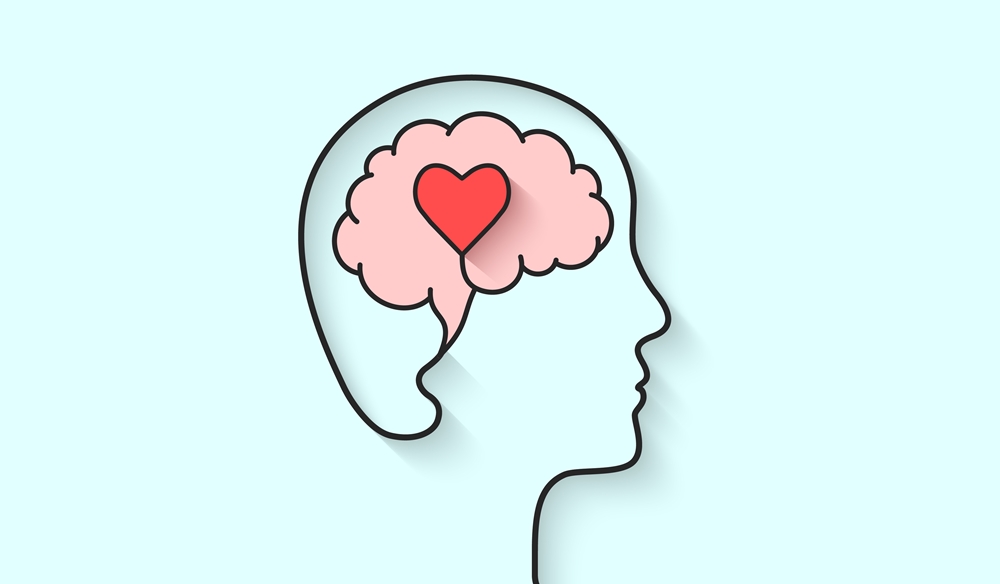
One key aspect of this renaissance is the integration of mindfulness practices into mental health care. Mindfulness, rooted in ancient contemplative traditions, has gained widespread recognition for its effectiveness in reducing stress, anxiety, and depression. By incorporating mindfulness into therapy sessions and treatment plans, mental health practitioners can empower individuals to cultivate a heightened awareness of their thoughts and emotions, fostering resilience and coping mechanisms. Mindful renaissance also emphasizes the importance of destigmatizing mental health issues. By promoting open dialogue and education, the movement seeks to create an environment where individuals feel comfortable seeking help without fear of judgment. This shift in societal attitudes can pave the way for early intervention and prevention, as people become more attuned to their mental well-being and seek assistance when needed. Technology plays a crucial role in crafting tomorrow’s mental health services. With the rise of telehealth and virtual therapy platforms, individuals can access mental health support from the comfort of their homes.
This not only improves accessibility but also removes barriers such as transportation and the stigma associated with visiting a traditional clinic. Moreover, advancements in artificial intelligence and machine learning enable personalized and data-driven approaches to mental health care, tailoring interventions to individual needs. The mindful renaissance also acknowledges the importance of community engagement and support. Social connections and a sense of belonging are fundamental to mental well-being. By fostering communities that promote inclusivity, understanding, and empathy, the movement creates a supportive network that extends beyond clinical settings. By integrating mental health education into school curricula and workplace training programs, society can build a foundation of awareness and resilience. Lakeview Mental Health equips individuals with the tools they need to navigate life’s challenges and contributes to the overall well-being of communities. Through the integration of mindfulness, technology, destigmatization efforts, and community engagement, we can pave the way for a society where mental health is nurtured, preventing issues before they escalate and fostering a culture of resilience and compassion.